Medical dermatology
Acne assessment and treatment.
Acne can affect the face and body at different stages of life. A specialist assessment considers the pattern, severity, previous treatment and risk of scarring.
Specialist consultation
Assessment guides the next step.
Your dermatologist will review what has already been tried, examine the skin and discuss a treatment plan suited to the type and severity of acne.
When acne has left persistent scarring, we can also connect you with the dedicated acne-scar pathway at Scars & Lasers.
Continue at Scars & Lasers
Explore acne-scar treatment at Scars & Lasers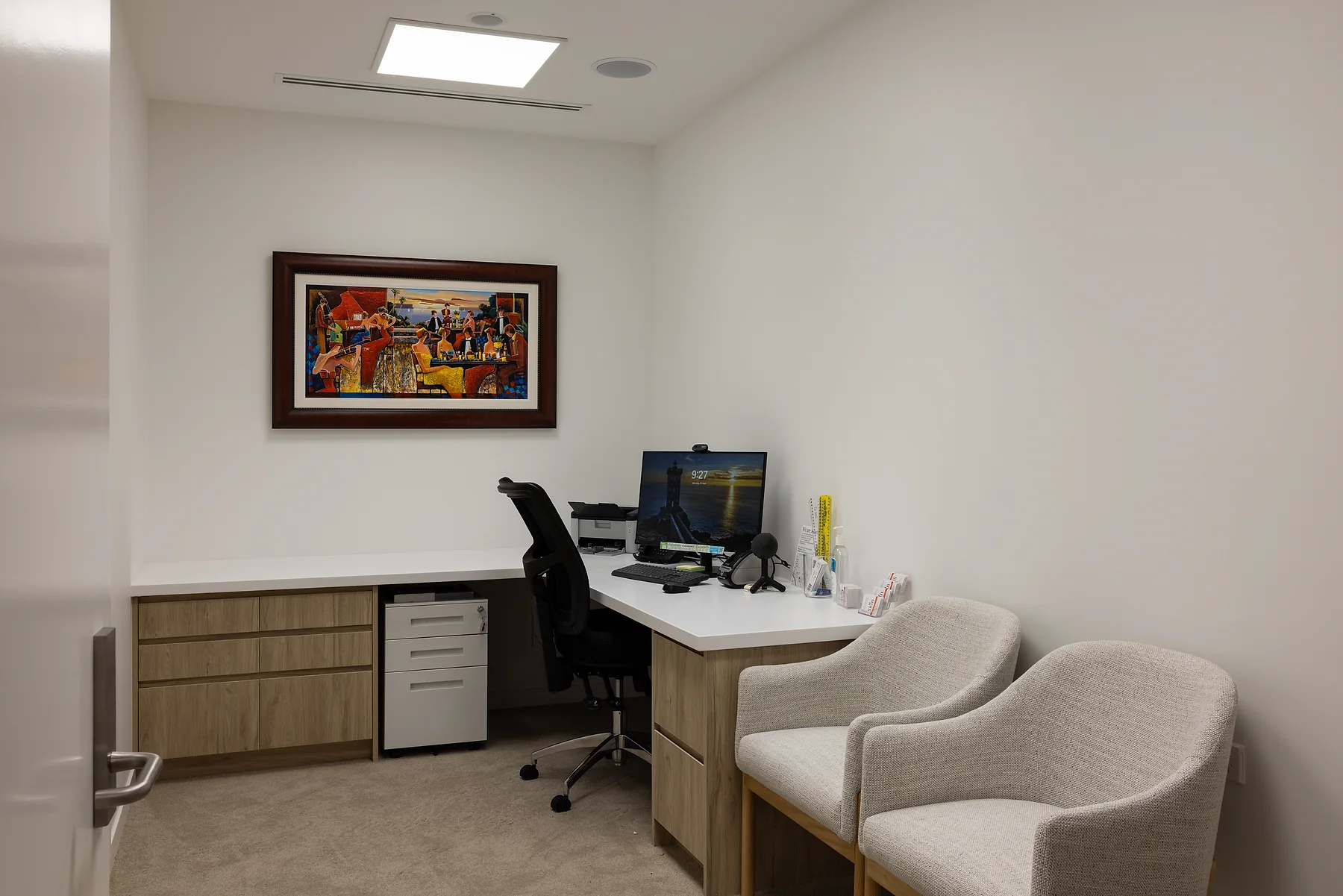
A quieter setting for careful assessment, clear advice and a practical treatment plan.
What to know
Treatment is matched to the acne pattern.
Acne develops when follicles become blocked and inflamed. Hormonal factors, family history, medicines and conditions such as polycystic ovary syndrome can sometimes contribute.
Early control of persistent inflammatory acne can reduce the risk of lasting marks and scars. Treatment may include skin care, prescribed topical treatment, oral medication or a combination.
- Blackheads and whiteheads
- Inflamed spots
- Deep nodules or cysts
- Persistent marks or scarring
Common questions
Answers to common questions.
Is adult acne treated differently?
The plan is based on the acne pattern, likely contributing factors, previous treatment, pregnancy considerations where relevant and the risk of scarring—not age alone.
Can acne and acne scarring be treated together?
Active acne is usually brought under control first. Persistent scarring can then be assessed through the dedicated Scars & Lasers pathway.
Patient information updated ·
Appointments and enquiries
Speak with reception about the next step.
Reception will help arrange the appropriate clinic, appointment type and time.